How Jackpot Slots Work: A Simple Beginner-Friendly Guide
Jackpot slots have a simple appeal: play a familiar slot game while having the possibility of triggering a much larger prize. The huge numbers shown above some games can make them look mysterious, especially if you are new to online slots.
Fortunately, the basic idea is not difficult to understand.
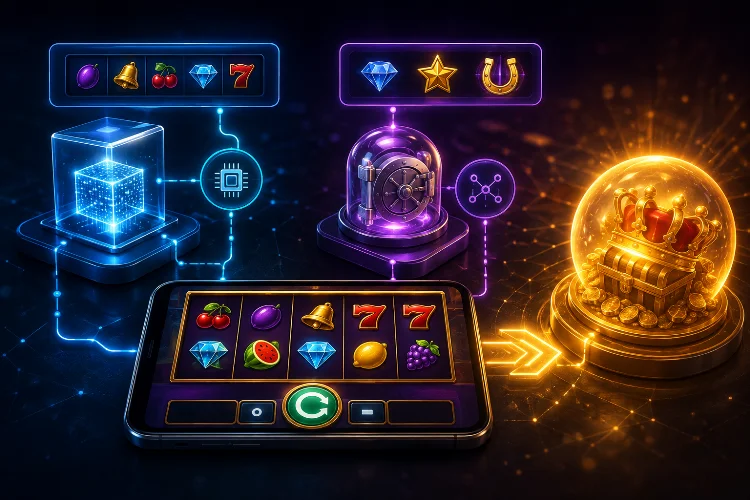
Learning how Jackpot Slots Work means looking at two different systems. First, there is the normal slot game, where an RNG determines the outcome of each round. Then there may be a separate jackpot mechanism that decides whether a special prize is awarded.
Some jackpots stay at a fixed amount, while progressive jackpots can increase over time. The important point is that a large jackpot does not make the next spin predictable. It remains a game of chance, and the rules should explain exactly how the prize can be won.
1. What Is a Jackpot Slot?
A jackpot slot is a slot game that includes one or more larger prizes in addition to its ordinary payouts.
The jackpot may be fixed at a particular value or connected to a progressive system. The UK Gambling Commission defines a progressive jackpot as an incremental prize that grows from a predetermined starting value through contributions from money staked on the game.
That growing prize is why some jackpot counters can become much larger than normal line wins or bonus prizes.
However, not every jackpot game works in exactly the same way. One title may require a particular symbol combination, while another may use a separate random jackpot trigger.
The game’s information screen should explain the exact method.
2. How the Regular Slot Game Produces Results
Before worrying about the jackpot, it helps to understand the normal slot underneath it.
Regulated online slot games generally use a Random Number Generator, or RNG, to generate random values that are mapped to game outcomes. The Gambling Commission requires RNG results within its regulated games to be demonstrably random and unpredictable according to accepted testing methods.
When you press Spin, the game uses its underlying software to determine the result according to the published rules.
The reel animation is essentially the visual presentation of that result.
This means ideas such as pressing the button at a lucky second, changing devices, or waiting for a certain number of losing spins do not provide a reliable way of predicting the next RNG result.
3. Fixed and Progressive Jackpots Work Differently
One of the easiest distinctions for beginners is between fixed and progressive prizes.
A fixed jackpot normally has a predetermined prize value. If the qualifying condition is met, the advertised amount is awarded according to the game’s rules.
A progressive jackpot is different because its displayed value can grow.
How a Progressive Prize Builds Up
A progressive system typically starts from a base or seed amount. Contributions associated with eligible play then increase the prize until it is won, after which the jackpot may reset to its starting level.
The Gambling Commission requires regulated progressive jackpot rules to explain how the jackpot is funded, its starting seed value, any ceiling, and how prizes are determined and awarded.
So when you see a jackpot counter changing over time, you are looking at a prize pool governed by a separate set of rules.
4. How a Jackpot Is Actually Triggered
This is where many beginners get confused.
There is no universal trigger used by every jackpot slot.
Some games may require a particular reel combination. Others may trigger a jackpot through a random event that is separate from the standard winning symbols. Certain games can also have several jackpot tiers, such as Mini, Minor, Major, and Grand.
The published rules should explain exactly how a player becomes eligible and what has to happen for the prize to be awarded.
In Great Britain’s regulated market, jackpot information must be available before a customer commits to gambling. Current jackpot values should also be visible to eligible players and updated as practically as possible.
Checking those rules is far more useful than trying to guess a hidden pattern.
5. Does Betting More Increase Jackpot Chances?
The answer depends on the particular game.
Some jackpots may require a minimum qualifying stake. In other systems, the amount contributed toward the jackpot can be related to the size of the wager.
Under UK Gambling Commission standards, where a customer contributes to a jackpot pool, that customer should be eligible to win it while playing, and the chance of winning should increase in correlation with the amount contributed.
That does not mean increasing your bet automatically makes a jackpot likely.
A larger wager can still be lost, and jackpot prizes are generally rare events.
Always check the eligibility conditions rather than assuming the biggest stake is necessary.
6. What Does RTP Mean on a Jackpot Slot?
RTP stands for Return to Player.
It is a theoretical percentage describing how much a game is designed to return as prizes over a very large number of plays. It is not a promise about what happens during one session.
The Gambling Commission specifically explains that RTP is an average measured over a significant number of games, not an amount that players should expect back each time they play.
Jackpots can make this concept slightly more complicated.
For regulated progressive systems, jackpot information may show one combined RTP figure or separate the base-game RTP from the jackpot component.
Because progressive jackpots can be extremely large and infrequent, regulators may also monitor the jackpot component separately from the base game.
7. Why Jackpot Slots Can Be Highly Volatile
Large prizes usually come with an important trade-off: they are uncommon.
The UK Gambling Commission notes that progressive jackpots can involve very infrequent, very large prizes and therefore have high volatility characteristics.
This is why two sessions on the same game can look completely different.
One player may see several ordinary wins but never encounter the jackpot. Another player could theoretically trigger a rare prize after relatively little play.
Neither result means the game is “due” to behave differently afterward.
Random games do not owe players a win because previous rounds were unsuccessful. On random machines, the probability of a current result is not changed by previous wins or losses.
What Beginners Should Check Before Playing
The most useful habit is reading the information screen first.
Look for the jackpot trigger, eligibility conditions, RTP information, stake requirements, current prize amount, and what happens after the jackpot is won.
For regulated systems, jackpot rules should clearly explain funding, prize determination, starting values, and relevant restrictions.
It is also worth remembering that jackpot slots are entertainment, not an investment strategy.
The jackpot may be visually prominent because it creates excitement, but a large displayed prize does not tell you that it is close to being won.
Understanding how Jackpot Slots Work becomes much easier once you separate the normal slot from the jackpot system.
The base game uses its rules and RNG to determine outcomes, while the jackpot may operate through a fixed prize or progressive pool. Progressive prizes can increase through contributions from eligible play and reset after being won.
RTP explains long-term theoretical returns, not what you should expect from your next session, and no betting pattern can make a random jackpot predictable.
Before playing any real-money jackpot slot, read the rules, understand the eligibility requirements, use appropriately licensed services where gambling is legal, and set a spending limit you are comfortable with.